What is Commercial Roofing?
Commercial roofing is a type of construction that's used to cover large areas. The most common types of commercial roofs are flat and sloped, but there are other options available as well.
April 07, 2023 16:19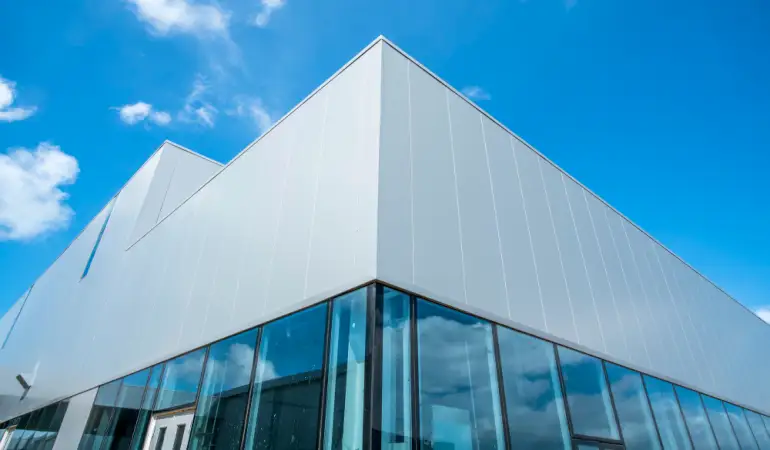
Benefits of Commercial Roofing
Increases the value of your property: A new roof can help increase the value of your property by improving its appearance and making it more attractive to potential buyers or tenants.
Increases energy efficiency: A properly installed commercial roof will reduce energy costs by protecting against heat loss in winter and heat gain in summer, which can result in significant savings for businesses over time.
Sheeting & Cladding
Sheeting and cladding are two terms that are often used interchangeably, but they're actually very different. Sheeting is the material that covers your roof, while cladding is what covers your walls.
Sheet metal roofs are made from sheets of metal that have been rolled or cut into shape and then joined together by seams. Sheet metal can come in many different colours and finishes, making it easy to match any style you want for your building's exterior.
It's important to note that sheeting doesn't just mean sheet metal--there are several other types of sheeting materials available on the market today! For example:
Glass fibre reinforced polyester (GFRP) is a composite material made up of glass fibres embedded in an epoxy resin matrix; This type of material has excellent strength-to-weight ratios as well as high impact resistance
EPDM & Felt Flat Roofs
EPDM (Ethylene Propylene Diene Monomer) and felt flat roofs are a great choice for commercial buildings. They are durable, easy to install, and can last up to 50 years without needing any maintenance.
EPDM is a rubber-like material that's made from ethylene propylene diene monomer (a type of synthetic rubber). It can be installed over concrete or wood decking without the need for additional protection beneath it like tar paper or felt paper would require because it's self-sealing. Felt paper is also known as "tar paper" because it was originally made from bitumen (a substance derived from crude oil). Nowadays, there are several different types of felt papers available on the market today including polyester, polyvinyl chloride (PVC), polyethylene terephthalate (PET), polypropylene (PP), etc... You'll notice these types of materials listed on your invoice when getting quotes from contractors who offer commercial roofing services!
Sheeting & Cladding Commercial Roofing
Sheeting and cladding are essential components of commercial roofing systems. They provide protection to the underlying roof structure, insulation, and other building components from the elements. In this blog post, we will explore the basics of sheeting and cladding for commercial roofing, including their benefits and different types.
What is Sheeting?
Sheeting is a layer of material that covers the roof structure of a building. It serves as a protective layer that shields the roof from the effects of weather and other environmental factors. Sheet materials can be made from a variety of materials, including metal, fibreglass, and plastic.
Benefits of Sheeting
- Durability: Sheet materials are made to be durable and long-lasting, which makes them ideal for commercial roofing applications.
- Weather Resistance: Sheet materials are designed to withstand harsh weather conditions, including wind, rain, and snow.
- Low Maintenance: Sheet materials require minimal maintenance, which makes them a cost-effective option for commercial roofing.
Types of Sheeting
- Metal sheeting is a popular choice for commercial roofing due to its durability and resistance to weather.
- Fibreglass sheeting is lightweight and easy to install, making it a popular choice for commercial roofing.
- Plastic sheeting is a low-cost option for commercial roofing, but it is not as durable as metal or fibreglass sheeting.
What is Cladding?
Cladding is a layer of material that is attached to the exterior of a building's wall. It serves as a protective layer that shields the underlying structure from the effects of weather and other environmental factors. Cladding can be made from a variety of materials, including metal, stone, brick, and wood.
Benefits of Cladding
- Aesthetics: Cladding can enhance the appearance of a building, giving it a modern, sleek look.
- Weather Resistance: Cladding is designed to withstand harsh weather conditions, which helps protect the building from damage.
- Insulation: Cladding can also provide insulation, which helps regulate the temperature inside the building and reduces energy costs.
Types of Cladding
- Metal cladding is a popular choice for commercial buildings due to its durability and resistance to weather.
- Stone cladding is a popular choice for commercial buildings due to its natural appearance and durability.
- Brick cladding is a popular choice for commercial buildings due to its classic appearance and durability.
Sheeting and cladding are essential components of commercial roofing systems. They provide protection to the underlying roof structure, insulation, and other building components from the elements. When choosing sheeting and cladding materials, it is important to consider the benefits and different types available. By choosing the right materials, you can ensure that your commercial roofing system is durable, weather-resistant, and low-maintenance.
Fix-safe Roof-lights
- Fix-safe roof lights are a type of skylight that can be installed in new or existing buildings, and they're designed to be safe for workers who may be on the roof at any given time. They have an automatic opening mechanism that allows them to open up when there's enough room between the ceiling and the top of the skylight frame (usually about 4 inches). This prevents accidents from occurring due to debris falling through open skylights, making them ideal for use in factories where there might be machinery operating above them.
Gutter Services
Gutter services are a key component of any commercial roofing project. Gutter systems are designed to carry water away from the building and direct it into a drainage system, preventing water damage caused by rain or snow accumulation. The type of gutter system you choose will depend on your needs and budget, but all commercial roofs should include gutters regardless of their size or shape.
Gutters can be made out of many different materials including aluminium, copper, PVC pipe and even wood planks if you're looking for something more natural-looking (though this may require more maintenance). They can also come in various shapes like round or square--round ones tend to be more popular because they're easier to install than square ones, but both options will work well depending on where they're placed on your building!
How to Choose the Right Commercial Roofing Contractor
When you're looking for a commercial roofing contractor, there are several questions you should ask. First, ask them if they have any certifications in the field. If they don't have any, that's okay--it just means they haven't taken the time to earn those credentials yet. However, if they do have them and can show proof of their qualifications, that's great!
Next up: references and reviews. Ask around town about the company you're considering hiring; see what other people have said about them on Yelp or Angie's List (or both). You'll also want to check out reviews on social media sites like Facebook and Twitter before making your final decision--you never know when someone might post something negative about your potential contractor online!
The Cost of Commercial Roofing
The cost of commercial roofing is affected by several factors. The first, and perhaps most obvious, is the materials used to construct the roof. The type of material will determine how much it costs to install and maintain your commercial building's roof over time.
For example:
- Metal roofs are generally more expensive than asphalt shingles because they last longer and require less maintenance than asphalt shingles do. They also offer better protection against fire damage (because metal conducts heat away faster) and wind damage (due to their weight). However, metal roofs are heavier than other types of materials so they may require additional support structures or foundations if installed on large buildings like factories or warehouses--which could add significantly more expense into your budget!
- Slate tiles tend not only to look nicer than other options but also last longer too; however, these qualities come at a higher price tag as well! It's important for business owners who want slate tiles installed on their buildings to consider how long those costs will be offset by increased longevity before making any decisions about which type(s) should be used."
User Comments (0)


SPONSORS
Painters NewcastleTynemouth Roofing
Newcastle Roofs
Loughborough Roofing
247 Plumbing Newcastle
Newcastle Roofing
Handyman Newcastle
Masonry Painters
Loft Insulation Leeds
Loft Insulation London
Trustmark Law
Somerset Roofing
Will Writing Sheffield
Dave Van Newcastle
Conveyancing Middlesbrough
Manchester Roofing
Roofer Quotes
Half Hour Electricity
Will Writers Portal
Tradesmen Quotes