Can Half Hour Electricity Reduce Your Business Energy Bills?
For many UK businesses, energy costs are a significant overhead. As prices fluctuate and the electricity market becomes more data-driven, Half Hour Electricity (HHE) is often promoted as a way to gain better control over energy spend.
December 30, 2025 12:15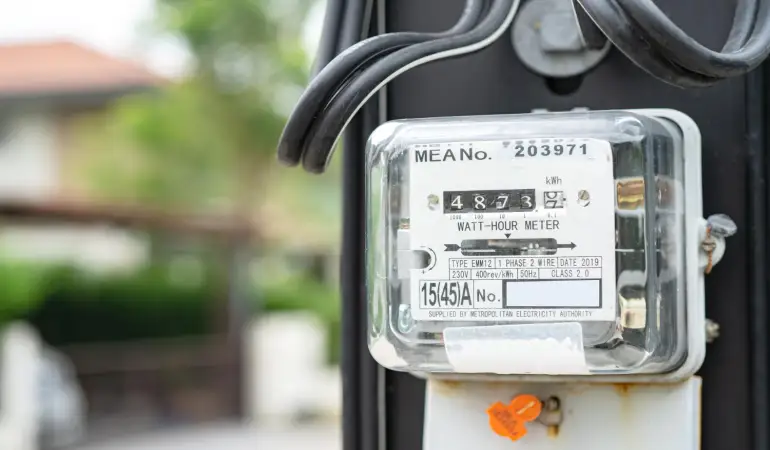
For many UK businesses, energy costs are a significant overhead. As prices fluctuate and the electricity market becomes more data-driven, Half Hour Electricity (HHE) is often promoted as a way to gain better control over energy spend. But can half-hour electricity really reduce your business energy bills in the UK? The short answer is: yes – but only if it’s used correctly.
What Is Half-Hour Electricity?
Half-hour electricity means your business’s electricity usage is recorded every 30 minutes by a half-hourly (HH) meter. Instead of estimated or aggregated consumption, suppliers receive precise data showing when and how your electricity is used throughout the day.
In the UK, businesses that use more than 100,000 kWh per year are typically required to have a half-hourly meter, but many smaller companies are now being upgraded as part of broader market reforms.
How Half-Hour Electricity Can Lower Bills
1. Better Visibility of Energy Use
The most significant advantage of half-hour electricity is transparency. You can see exactly when your business uses the most energy—often during peak hours such as weekday mornings and late afternoons. This level of detail allows you to identify waste, such as equipment running overnight or inefficient processes during peak periods.
The most significant advantage of half-hour electricity is transparency. You can see exactly when your business uses the most energy—often during peak hours such as weekday mornings and late afternoons. This level of detail allows you to identify waste, such as equipment running overnight or inefficient processes during peak periods.
2. Opportunity to Shift Demand Away from Peak Times
Electricity costs more during peak demand periods. With half-hourly data, businesses can adjust operations—such as moving energy-intensive tasks to evenings or weekends—when electricity is typically cheaper. Even small changes in load shifting can result in meaningful savings over time.
Electricity costs more during peak demand periods. With half-hourly data, businesses can adjust operations—such as moving energy-intensive tasks to evenings or weekends—when electricity is typically cheaper. Even small changes in load shifting can result in meaningful savings over time.
3. More Accurate and Competitive Pricing
Suppliers use half-hourly data to assess your “load profile.” A well-managed, predictable usage pattern is less risky for suppliers, which can lead to more competitive contract offers. Businesses with smoother demand profiles often benefit most from half-hour electricity pricing.
Suppliers use half-hourly data to assess your “load profile.” A well-managed, predictable usage pattern is less risky for suppliers, which can lead to more competitive contract offers. Businesses with smoother demand profiles often benefit most from half-hour electricity pricing.
4. Reduced Billing Errors
Non-half-hourly bills often rely on estimates, which can result in overbilling. Half-hour electricity bills are based on actual usage data, making them more accurate and easier to validate. This alone can reduce unnecessary costs and disputes.
Non-half-hourly bills often rely on estimates, which can result in overbilling. Half-hour electricity bills are based on actual usage data, making them more accurate and easier to validate. This alone can reduce unnecessary costs and disputes.
When Half-Hour Electricity Might Not Reduce Costs
Half-hour electricity is not an automatic cost-saving solution. If your business uses most of its electricity during peak times and cannot change usage patterns, costs may stay the same—or even increase. Additionally, HH contracts can be more complex, requiring active management and data analysis to unlock their full value.
The Wider UK Market Context
UK energy pricing is increasingly influenced by real-time demand on the electricity system. Organisations such as National Grid ESO rely on half-hourly data to balance supply and demand, while regulators such as Ofgem are pushing for more accurate settlement based on it. This means businesses that understand and manage their usage are better positioned for future market changes.
So, Is It Worth It?
Half-hourly electricity can absolutely reduce business energy bills in the UK—but it works best for businesses willing to engage with their data, adjust usage patterns, and strategically review contracts. For organisations that take a hands-on approach to energy management, half-hour electricity is less about complexity and more about control.
Areas Covered
Areas Covered
- Aberdeen Half-hourly Metering
- Blackpool Half-hourly Metering
- Doncaster Half-hourly Metering
- York Half-hourly Metering
- Manchester Half-hourly Metering
- Inverness Half-hourly Metering
- Gloucester Half-hourly Metering
- Dundee Half-hourly Metering
- Nottingham Half-hourly Metering
- Bristol Half-hourly Metering
- Rotherham Half-hourly Metering
- Peterborough Half-hourly Metering
User Comments (0)
No comments added yet.
Comments will not be approved to be posted if they are SPAM, abusive, off-topic, use profanity, contain a personal attack, or promote hate of any kind.





SPONSORS
Painters NewcastleTynemouth Roofing
Newcastle Roofs
Loughborough Roofing
247 Plumbing Newcastle
Newcastle Roofing
Handyman Newcastle
Masonry Painters
Loft Insulation Leeds
Loft Insulation London
Trustmark Law
Somerset Roofing
Will Writing Sheffield
Dave Van Newcastle
Conveyancing Middlesbrough
Manchester Roofing
Roofer Quotes
Half Hour Electricity
Will Writers Portal
Tradesmen Quotes